 PickMyPuck
Disclosure: PickMyPuck may earn a commission from some links on this site, at no extra cost to you. Learn more.
A coffee subscription is one of the easiest ways to keep fresh beans in the house and to discover coffees you'd never pick off a shelf. It's also easy to sign up for the wrong one and end up with a pile of bags that don't suit your machine or your taste. This guide walks through how subscriptions work, the main types, and exactly what to check before you commit.
We don't rank subscription services here. We haven't verified every service's coffee, shipping or customer service, so instead we explain how to judge them yourself.
How coffee subscriptions work
The basic model is simple: you choose how much coffee you want and how often, and bags arrive on a schedule, usually every one to four weeks. Most services let you choose:
- Bag size and quantity: often around 10 to 12 oz per bag, sometimes larger.
- Frequency: weekly, every two weeks, monthly, or something in between.
- Whole bean or ground: and if ground, for which brew method.
- Taste preferences: roast level, flavor style, or a quiz that matches you to coffees.
The big appeal is freshness on autopilot. Many specialty roasters roast to order or close to shipping, so beans tend to arrive with a recent roast date. Pair that with a frequency that matches how much you drink and you'll rarely have stale coffee, or an empty bag on a Monday morning.
The main types of subscription
1. Single-roaster subscriptions
Many roasters offer a subscription for their own coffees: either a favorite you choose, or a rotating "roaster's choice." Best for: people who've found a roaster they love and want consistency, or who want to explore one roaster's whole range.
2. Multi-roaster, taste-matched subscriptions
These services work with many independent roasters. You take a taste quiz, they match you to coffees, and you can usually rate each bag so future picks improve. Best for: discovery with guardrails. You get variety, but steered toward what you already like.
3. Coffee-of-the-month and origin clubs
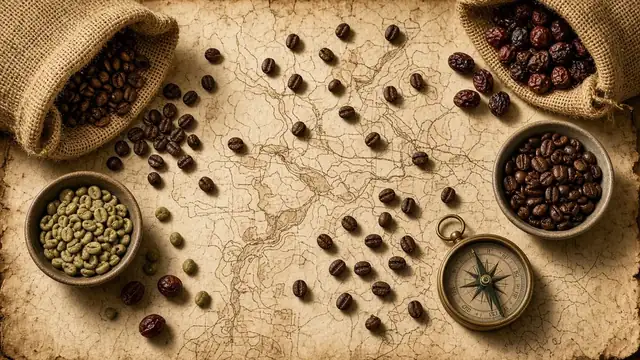
These send a different coffee each delivery, often featuring a different country or region, sometimes with tasting notes and background on where it came from. Best for: curious drinkers who want a guided "tour" of the coffee world and enjoy surprises.
4. Blend or "house coffee" plans
Some subscriptions simply deliver the same blend every time. Best for: people who've dialed in a daily espresso and don't want to re-dial every bag.
What to check before you sign up
- Roast-to-ship timing. Does the service say when coffee is roasted relative to shipping? A printed roast date on the bag is a good sign.
- Whole bean option. For espresso, choose whole bean and grind at home. Espresso needs a very fine, precisely adjusted grind, and pre-ground coffee goes stale quickly (see our freshness guide).
- Espresso suitability. Can you tell the service you brew espresso? Some coffees are roasted with filter brewing in mind and can be tricky as espresso.
- Real cost per bag. Add shipping and any fees, then divide by the weight. Compare price per ounce or per 100 g, not just the headline price.
- Introductory offers. Note what the regular price will be after any first-order deal, and when it starts.
- Skip, pause and cancel. Look for clear, self-service controls. Read the cancellation terms before you enter a card, and set a calendar reminder if a trial converts to a paid plan.
- Flexibility. Can you change frequency, swap a coffee, or rate bags to steer future picks?
- Shipping area and speed. Check that they ship to you and how long transit usually takes.
Matching frequency to how much you drink
Getting the frequency right is the difference between perfectly fresh coffee and a cupboard of fading bags. A quick way to estimate it:
- A double shot typically uses about 16 to 20 g of coffee. At 18 g, a 12 oz (340 g) bag makes roughly 18 doubles.
- One double a day: one 12 oz bag lasts about two and a half weeks. A bag every two to three weeks fits.
- Two doubles a day: a 12 oz bag lasts about nine days. Think weekly or every ten days, or larger bags.
- A household of latte drinkers: count everyone's shots and add a little extra for dialing in each new bag.
Remember the resting time: espresso beans usually taste best after resting for days to a couple of weeks depending on roast. Time deliveries so a new bag can rest while you finish the current one. If you overshoot, portion and freeze the extra.
Making a subscription work for espresso
Variety is fun, but every new coffee needs dialing in. A few habits make it painless:
- Keep notes on the grind setting, dose and ratio that worked for each bag. Similar coffees often land in similar places.
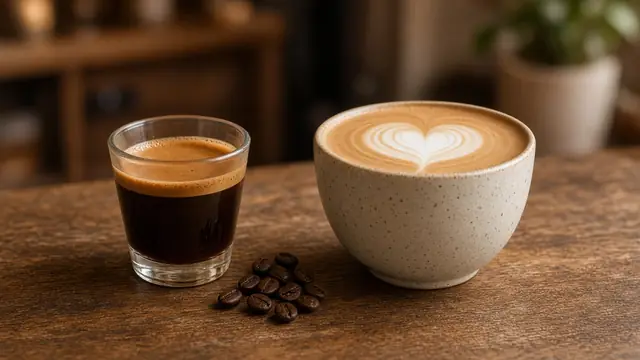
- Set your preferences honestly. If you mostly make lattes, say so. Chocolatey, medium to medium-dark coffees are easier and more rewarding in milk (our lattes vs straight shots guide explains why).
- Expect a dial-in shot or two per bag. Budget a little coffee for it.
- Lighter roasts need more care. If your setup struggles with light roasts, steer the service toward medium (see our roast guide).
Subscription or single bags?
A subscription isn't always the best choice. Buying single bags can make more sense if you drink coffee irregularly, love one specific local roaster you can walk to, or prefer to choose every coffee yourself. A subscription shines when you drink a steady amount, enjoy variety, and like not having to think about running out.
How PickMyPuck fits in
Puck's Find your coffee quiz asks whether you want a single bag, a "surprise me" taste-matched subscription, or a travel-the-world origin club, and points you to a starting place for each. Some of those links may become affiliate links in the future; if so, they'll be clearly marked, and it won't change the advice here. Prices and plans change often, so always check the details on the seller's site before you sign up. Still building your espresso setup? Ask Puck.
Quick answers
Can I pause or skip a delivery?
Many services let you pause, skip or change frequency from your account, but terms vary. Check the cancellation and skip rules on the seller's site before you sign up, and note when each order is charged.
Should I choose whole bean or ground?
Whole bean, if you have a grinder. Espresso needs a fine, consistent grind matched to your machine, and whole beans stay fresh much longer than ground coffee.
How much coffee do I need each month?
A double shot typically uses about 14 to 20 grams of coffee. A 12-ounce (340 g) bag gives you roughly 17 to 24 doubles, so one double a day works out to a little under two 12-ounce bags a month. Plan for some extra while you dial in each new coffee.
Is a subscription cheaper than buying bags one at a time?
Sometimes, sometimes not. Compare the price per gram, including shipping, against buying the same kind of coffee directly from a roaster, and check whether any introductory price changes after the first order.
Sources
- National Coffee Association, "Storage and shelf life" (About Coffee)
- Perfect Daily Grind, "How do you roast coffee for milk?"
- James Hoffmann, "A Beginner's Guide to Resting Coffee" (YouTube)
- Barista Hustle, "A Year in the Deep Freeze"
Coffee flavors vary by farm, harvest, processing and roast. Descriptions here are typical tendencies drawn from the sources above, not tasting notes for any specific product.